Upgrade Your Celebration: Unforgettable Catering Services for Any Event
Improving an event through catering demands careful consideration of various elements. The choice of catering method can significantly affect the entire experience. Movements such as engaging food displays and environmentally conscious selections are gaining popularity. Furthermore, catering to dietary preferences and managing costs effectively are essential. Grasping these considerations can elevate an ordinary gathering into a remarkable occasion. That said, identifying the right strategy and team is fundamental for attaining the intended outcome. How should one proceed from this point?
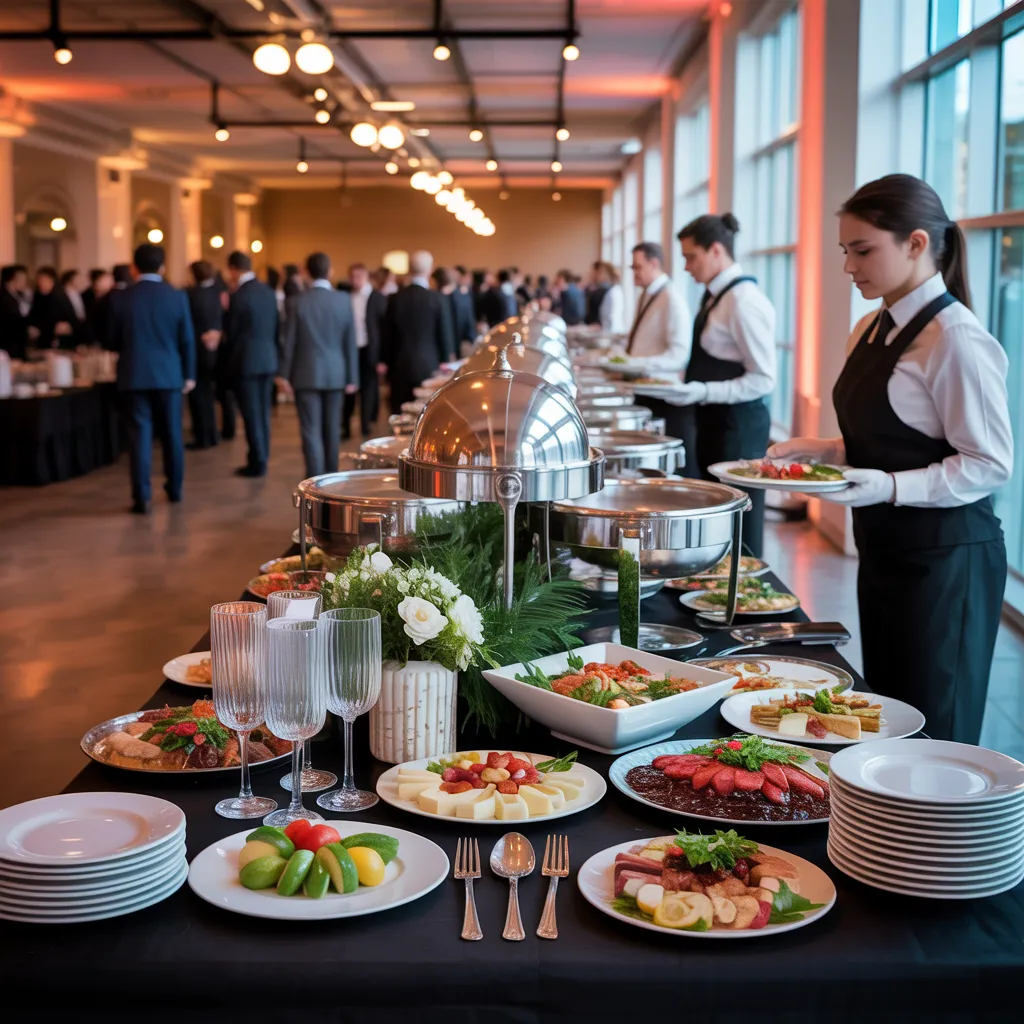
How to Choose the Perfect Catering Style for Your Event
When planning an event, how does one determine the most appropriate catering style? The decision relies on several factors, including the event type, guest count, and venue. Formal gatherings, such as weddings or business events, often benefit from plated service, which delivers a sophisticated dining experience. By comparison, relaxed gatherings like informal parties tend to favor buffet or family-style catering, fostering interaction and mingling among attendees.
Another consideration concerns the food preferences and dietary requirements of participants, which necessitate a versatile menu that addresses a range of dietary considerations. Moreover, the budget is a critical factor; certain catering approaches can be more economical than alternatives. Finally, the overall atmosphere desired should complement the chosen catering approach, whether it be formal or relaxed. Ultimately, understanding these elements helps coordinators identify a catering style that enhances the gathering while satisfying both visual and practical needs.
Top Catering Trends to Impress Your Guests
Today's events are progressively adopting innovative catering trends that elevate the attendee experience. One standout approach is the reliance on engaging food displays, allowing guests to personalize their dishes in live settings. This not only adds an interactive dimension but also encourages social interaction across the crowd.
Sustainable and locally sourced ingredients are gaining traction, demonstrating a heightened consciousness toward ecological impact and healthy living. This shift not only improves culinary quality but also bolsters regional economies.
Furthermore, immersive culinary journeys transport guests to different cultures through food, producing remarkable moments at the table. As a final point, the emergence of visually spectacular culinary showcases, such as imaginative edible artwork and vivid plating techniques, guarantees that every plate captivates the eyes just as powerfully as it pleases the palate. Collectively, these advancements elevate the overall catering experience, leaving a lasting impression on guests and setting the tone for the event.
How to Ensure Everyone's Dietary Requirements Are Satisfied
Managing dietary requirements at events necessitates the early recognition of restrictions to ensure inclusivity. Offering a diverse menu that accommodates various preferences and requirements is essential for guest satisfaction. Transparent labeling of food items also assists in eliminating misunderstandings and encourages a safe and enjoyable dining experience.
Determine Dietary Restrictions in Advance
How do event organizers ensure that all guests feel welcomed and content? more info Identifying dietary restrictions early is vital for achieving this goal. In advance of the event, organizers should issue invitations that incorporate a request for food preferences and dietary restrictions. This anticipatory strategy permits them to obtain critical details and cater to a range of needs, encompassing allergies, intolerances, and lifestyle decisions like veganism or gluten-free nutrition.
Organizers can also consider developing a straightforward digital form or questionnaire to simplify the overall process. By compiling this data, they can ensure that every guest's needs are met, promoting an inclusive and welcoming environment. At the end of the day, proactively identifying dietary needs not only improves the overall guest experience but also demonstrates the organizer's dedication to careful and considerate planning.
Offer Diverse Menu Options
Following the collection of dietary restrictions, event organizers can proceed by presenting a wide range of menu options designed to suit all attendees. A thoughtfully designed menu ought to feature vegetarian, vegan, gluten-free, and nut-free selections, ensuring that every guest feels included. By integrating an assortment of cuisines, organizers can cater to a range of palates while acknowledging dietary preferences and needs. Locally sourced seasonal ingredients can elevate taste and freshness, rendering dishes more attractive to guests. Additionally, providing a mix of appetizers, main courses, and desserts allows guests to enjoy a full dining experience. Engaging with caterers who specialize in diverse offerings can help guarantee that all dietary needs are met, ultimately creating an inclusive atmosphere that elevates the overall event experience.
Label All Food Items Clearly
What steps can event organizers take to guarantee guests are well-informed and comfortable with their food options? Clearly labeling food is essential for addressing dietary needs. Event planners should use clear signage that identifies ingredients and draws attention to common allergens including nuts, gluten, and dairy. This transparency allows guests to make informed decisions and avoids potential health risks. Moreover, using color-coded labels can streamline the process of identifying vegan, vegetarian, and gluten-free dishes. Including comprehensive descriptions on menus boosts clarity and fosters greater guest involvement. Organizers should also consider having staff available to answer questions about the food. By implementing these strategies, event planners can create a welcoming atmosphere where all guests feel confident in their food selections, ultimately elevating the overall event experience.
Crafting a Customized Menu for Your Theme
Creating a customized food selection for an event theme transforms the guest experience, guaranteeing that the food selections resonate with the occasion's spirit. A thoughtfully designed menu conveys the event's tone, be it a black-tie gala, a whimsical birthday party, or a casual outdoor gathering. By taking into account the event theme, planners can select culinary creations that harmonize with traditions, visual themes, and cultural inspirations.
Utilizing locally seasonal components improves taste and simultaneously matches the aesthetic direction of the gathering. For instance, a tropical event theme could showcase bright tropical fruits and stimulating seafood selections, while a countryside-inspired gathering may emphasize wholesome, locally obtained dishes. Moreover, accommodating dietary preferences and restrictions guarantees inclusivity, permitting every guest to appreciate the culinary experience.
Fundamentally, a customized menu converts simple nourishment into an indispensable part of the gathering's experience, making an unforgettable impact that reaches past the final course.
Why Professional Service Matters in Catering
Professional service in catering notably enhances the overall event experience, guaranteeing that guests feel acknowledged and respected. Consistency and reliability are key attributes that distinguish professional caterers, providing assurance that every aspect will meet expectations. This level of service not only reflects the event's quality but also reinforces the host's reputation.
Influence on Event Experience
While the food served at an event may be a primary focus, the quality of professional catering greatly influences the overall experience. Experienced service personnel not only ensure that dishes are presented beautifully but also oversee the timing and flow of service, which can improve guest enjoyment. Dedicated service staff create an welcoming atmosphere, allowing hosts to interact with their guests without concern. In addition, experienced service professionals can provide information about the menu, making certain guests are informed and satisfied with their selections. Ultimately, the seamless execution of catering services contributes to a memorable event, leaving a lasting impression on attendees. A expertly organized catering experience enhances the occasion, highlighting the value of professional service in event planning.
Reliability and Uniformity Assurance
Maintaining consistency and dependability in catering services is vital for a triumphant event. When clients work with professional caterers, they look forward to a flawless experience, from organization to delivery. Dependable catering companies maintain high standards, guaranteeing that food quality, presentation, and service stay consistent. This consistency reassures clients that their guests will enjoy a memorable dining experience.
Moreover, expert catering professionals are proficient at handling logistical difficulties, including sudden modifications or food requirements, without compromising service quality. Their knowledge equips them to anticipate potential issues, alleviating pressure on event coordinators. At the core, the reliability of a catering service directly influences the overall success of an event, nurturing loyalty and prompting clients to engage again for subsequent events.
Making the Most of Your Catering Budget: A Value Guide
Managing the intricacies of budgeting for catering can greatly impact the total success of an event. Setting a defined budget is essential, as it establishes the framework for all catering choices. Those organizing events should start by identifying the full amount allocated and dividing it into specific segments, such as food, beverages, and service fees.
Focusing on necessities rather than luxuries can help maximize value; for instance, choosing a buffet format may offer a wider variety at a lower cost than plated meals. Additionally, negotiating with catering services can yield discounts or package deals, improving the event experience while staying within budget.
Including ingredients that are in season can additionally cut expenses while delivering consistently fresh and delicious meals. By methodically evaluating options and making informed choices, event planners can deliver an exceptional catering outcome that meets their financial constraints without sacrificing quality.
Assessing and Selecting the Best Catering Service
What steps can event planners take to properly assess and select the ideal catering service? The initial step requires identifying particular event requirements, encompassing the cuisine type, total guest count, and existing dietary requirements. Subsequently, planners are advised to evaluate possible caterers through online ratings, customer feedback, and documented records of prior events. It is essential to schedule tastings to assess food quality and presentation.
Budget considerations play an important role; organizers need to gather itemized quotes that detail all charges, including operational fees and any applicable overtime expenses. Having direct conversations with caterers allows planners to assess their attentiveness and readiness to fulfill special requirements. Additionally, checking for proper licenses and insurance guarantees reliability and professionalism.
In conclusion, planners should seek suggestions from fellow professionals or professional networks to shortlist candidates. By combining this approach, organizers can confidently identify a catering provider that suits their needs and enhances the event experience.
Questions We Often Receive
What Is the Ideal Timeframe for Booking Catering Services?
Experts recommend reserving catering providers no less than three to six months beforehand for sought-after dates and event spaces. This secures your booking, permits menu personalization, and gives adequate time for any required modifications or arrangements.
Do Catering Services Offer Rentals for Tables and Chairs?
Several catering services supply rental packages for seating and tables, offering a complete answer for events. Customers ought to explore these extra offerings when reserving to ensure every requirement is fulfilled for their function.
What Becomes of Leftover Food Following the Event?
Following the event, surplus food is routinely checked for safety and quality. A large number of catering providers give leftover food to local charities or shelters, while certain providers may prepare it for clients or manage its disposal appropriately.
Are Gratuities Included in the Catering Cost?
Service tips are commonly excluded from the catering cost. Clients should verify with the catering service regarding their policy on gratuities, since the provider may propose a percentage relative to the total invoice or quality of service rendered.
Can I Sample the Menu Items Before Placing My Final Order?
Yes, a tasting session is usually arranged before the order is finalized. This chance enables clients to try the available menu selections, ensuring the selected dishes align with their preferences and event expectations.